










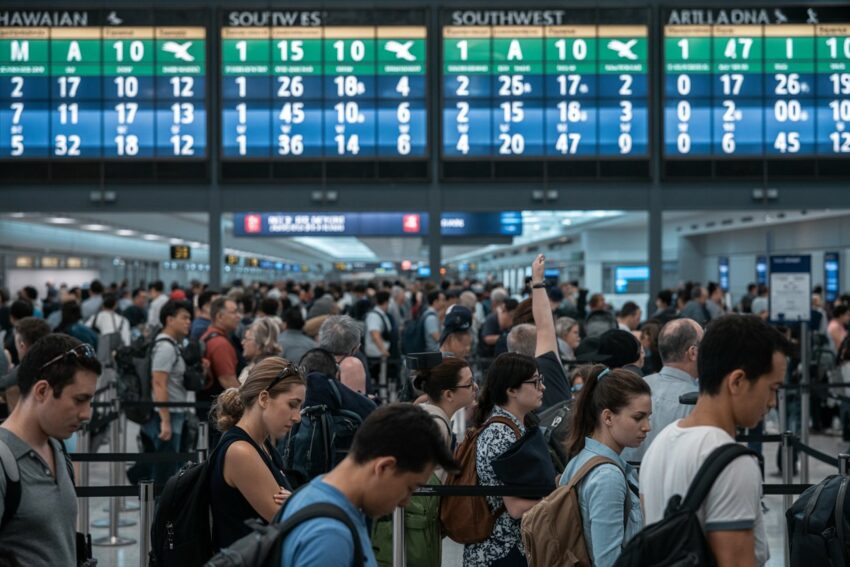
2025 vs 2026: U.S. Travel Nightmare Unfolds as Major Cities Face Devastating Hotel Crashes
The U.S. travel industry is bracing for a potential disaster as some of its major cities, including Minneapolis, Arlington, D.C., Las Vegas, and San Francisco, are facing a devastating crash in hotel bookings and revenue. The downturn, which began to take shape in 2025, is expected to worsen in 2026, leaving hotel owners, operators, and employees on edge.
What’s Behind the Decline?
The decline in hotel bookings and revenue in these major U.S. cities can be attributed to several factors, including a global economic slowdown, increased competition from home-sharing platforms, and changing traveler preferences.
Economic Slowdown
The global economic slowdown has resulted in decreased business travel, a critical component of the hotel industry’s revenue stream. As companies look to cut costs, business travel is often the first to be sacrificed, leading to a decline in hotel bookings.
Competition from Home-Sharing Platforms
The rise of home-sharing platforms such as Airbnb has dramatically altered the hospitality landscape. Travelers are increasingly opting for the flexibility and affordability of home-sharing options, leading to a decline in traditional hotel bookings.
Changing Traveler Preferences
Travelers’ preferences are shifting towards more personalized and immersive experiences. The traditional hotel model, with its standardized rooms and services, is no longer meeting the evolving needs of travelers. This shift in preferences is driving travelers to seek out alternative accommodations and experiences.
City-by-City Breakdown
While the decline in hotel bookings and revenue is a nationwide trend, some cities are being hit harder than others. Here’s a breakdown of the situation in Minneapolis, Arlington, D.C., Las Vegas, and San Francisco.
Minneapolis
Minneapolis, the largest city in Minnesota, is facing a significant decline in hotel bookings, with revenue expected to drop by 15% in 2026 compared to 2025. The city’s hotel industry is heavily reliant on business travel, which has been severely impacted by the economic slowdown.
Arlington, D.C.
Arlington, D.C. is experiencing a similar decline, with hotel revenue expected to drop by 12% in 2026. The city’s proximity to the nation’s capital and its reliance on government-related travel have made it particularly vulnerable to the economic slowdown.
Las Vegas
Las Vegas, a city that has traditionally thrived on tourism, is facing a surprising decline in hotel bookings. Revenue is expected to drop by 10% in 2026, as travelers increasingly opt for alternative accommodations and experiences. The city’s hotel industry is also facing increased competition from neighboring cities, such as Phoenix and Los Angeles.
San Francisco
San Francisco, a city that has long been a favorite among tourists and business travelers alike, is facing a significant decline in hotel bookings. Revenue is expected to drop by 18% in 2026, as travelers are priced out of the city’s increasingly expensive hotels and opt for alternative accommodations.
The Human Toll
The decline in hotel bookings and revenue is having a devastating impact on hotel owners, operators, and employees. Many hotels are being forced to lay off staff, reduce services, and even close their doors. The impact is being felt across the industry, from small, family-owned hotels to large, corporate-owned chains.
Conclusion
The U.S. travel industry is facing a potential disaster as major cities, including Minneapolis, Arlington, D.C., Las Vegas, and San Francisco, are facing a devastating crash in hotel bookings and revenue. The decline, which began to take shape in 2025, is expected to worsen in 2026, leaving hotel owners, operators, and employees on edge. As the industry struggles to adapt to changing traveler preferences and economic uncertainty, it remains to be seen how this will play out in the years to come.




I’ve been following the hotel industry closely and I have to say, this crash was inevitable. With the rise of online booking platforms and travel websites, hotels have been struggling to compete. But what does this mean for the jewelry industry? Will we see a decline in jewelry trade shows and exhibitions?
I’m not sure what’s causing the hotel crash, but I do know that I’ve been seeing a lot more people opting for alternative accommodations like Airbnb. Maybe this is the future of travel? And what does this mean for jewelry enthusiasts who travel to attend trade shows and exhibitions?
As someone who travels frequently for jewelry business, I can attest to the fact that hotel prices have been skyrocketing in recent years. It’s getting to the point where it’s not even worth it to stay in a hotel anymore. Maybe this crash will bring prices back down to earth.
I’ve noticed that a lot of hotels are starting to offer more bespoke experiences, like customized jewelry-making classes. Maybe this is an opportunity for hotels to think outside the box and offer more unique experiences to attract customers?
I’ve been in the jewelry business for years and I have to say, I’m not surprised by the hotel crash. With the increasing popularity of online shopping, people just aren’t traveling as much for jewelry anymore. Maybe it’s time for the industry to adapt and focus more on online sales?
I’ve been traveling for work a lot lately and I have to say, it’s getting harder to find a decent hotel room in major cities. Does anyone know if this hotel crash is going to affect the jewelry trade shows? I was planning on attending one in Vegas next year.