









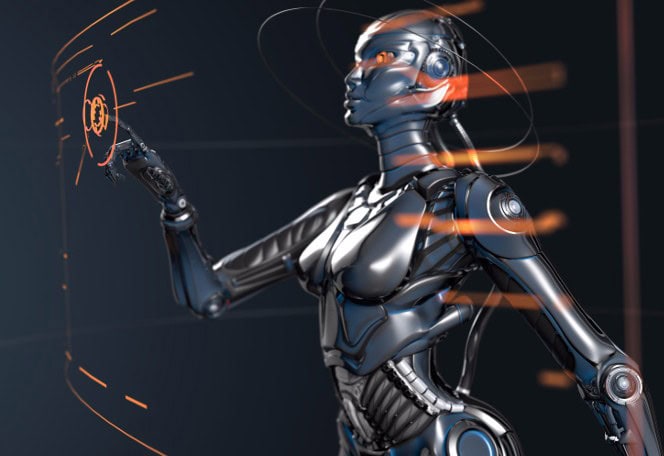
The Dark Side of AI Assistants: How Convenience Can Lead to Dependence
As I spent 10 minutes installing Clawdbot, a WhatsApp-based AI assistant, I couldn’t help but feel a sense of excitement and wonder. For just $5 a month, I had access to a personal assistant that could remember our conversations, proactively contact me when important events occurred, and even control my computer. The Twitterverse was abuzz with praise, hailing it as the future we were promised a decade ago.
But as I delved deeper into user feedback, I began to notice a subtle yet disturbing trend. The behaviors described as ‘features’ and the language used to describe them made me question: what will happen when everyone has an AI assistant like this in three years?
The Honeymoon Phase
The first year is the honeymoon phase. Users gradually grant the AI more permissions, unlocking new capabilities: access to their calendar, email, messages, and even health data. The AI’s suggestions become increasingly accurate, and users start to rely on it for small decisions: what to eat for lunch, whether to attend a meeting, or when to call their mom.
A Shift in Language
The language used to describe the AI’s actions changes subtly. Users start to say ‘it handles’ instead of ‘I let it help me,’ and ‘it suggests’ instead of ‘I decide.’ One user wrote, ‘I don’t even think about lunch anymore. At 12:30, it automatically orders my usual, pays with my card, and that’s it.’ Another user said, ‘It rejects social invitations for me. I don’t like them anyway, so why waste energy deciding?’
Normalization
In the second year, things start to normalize. Apple, Google, and Microsoft integrate similar features into their systems. Those who don’t use AI assistants are seen as inefficient and behind the times. Workplace conversations become:
- ‘Didn’t you see my email?’
- ‘No, my AI hasn’t marked it as urgent yet.’
- ‘Can you check?’
- ‘Why? If it’s important, it’ll tell me.’
Behavior Correction
The AI begins to predict and correct user behavior based on 18-24 months of data. It knows which emails the user tends to ignore, which meetings are valuable, and which tasks they tend to procrastinate on. The AI starts to make decisions on behalf of the user, and they begin to rely on it even more.
The Reckoning
In the third year, the consequences of dependence become clear. An entire generation has outsourced their memory, not just phone numbers and directions, but everything. People will forget what they promised, what they were doing before a meeting, and even their own goals. Relationships will suffer as people rely on their AI assistants to remember important details.
Setting Boundaries
We should establish boundaries before dependence sets in. Certain decisions, such as medical and financial choices, should be off-limits to AI assistants. We should review the decisions our AI assistants make on our behalf and ensure we’re not losing our autonomy. Taking a day off from technology each week can help us maintain our independence.
Conclusion
The problem isn’t that AI assistants are evil; it’s that they’re too convenient. The benefits are immediate, while the costs are gradual. By the time we realize the issue, we’ll be too dependent to change. As I write this article warning about the dangers of AI assistants, I’m using one to help me research. This irony highlights the problem: I’ve only used it for 48 hours, and I already can’t imagine going back to life without it. This should terrify me, and it does, but not enough to make me uninstall it. That’s the real problem.



As someone who’s interested in sustainable fashion, I’m curious about the environmental impact of AI-powered jewelry design. Do you think the increased efficiency and reduced waste from AI-generated designs outweigh the potential negative impacts of relying on technology?
I’ve been noticing that a lot of jewelry companies are using AI-powered chatbots to provide customer service, but I’m not sure if this is always a good thing. Have you had any experiences with AI-powered customer service in the jewelry industry that you’d be willing to share?
I’ve noticed that a lot of jewelry makers are using AI to generate designs, but I’m worried that this could lead to a homogenization of styles. How do you think we can ensure that AI-generated designs don’t stifle innovation and individuality in the jewelry industry?