











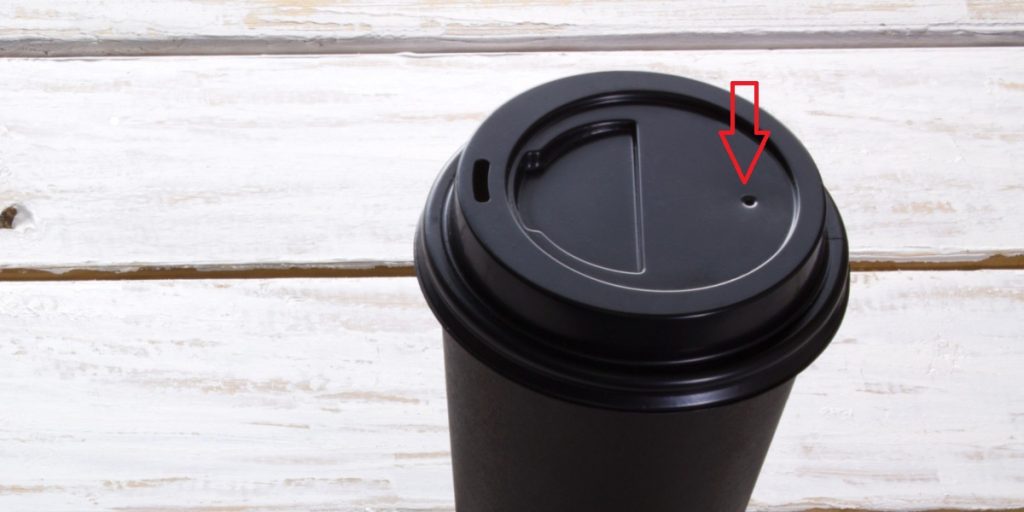
The Science Behind the Small Hole in Your Coffee Cup Lid
Have you ever wondered why there’s a small hole on the lid of your take-out coffee cup? It’s not just for show; it serves a crucial purpose. In this article, we’ll delve into the science behind this tiny hole and explore its importance in ensuring a smooth coffee-drinking experience.
The Main Function of the Small Hole
According to Stanislav Krykun, CEO of DST-Pack, a packaging manufacturing company, the small hole is designed to allow air to enter the cup while the coffee is being consumed. This helps to balance the pressure inside the cup, ensuring that the coffee flows smoothly and doesn’t spill or splash.
How it Works
When you drink from a sealed cup, a vacuum is created inside the cup. Without the small hole, the pressure would build up, causing the coffee to flow erratically or even spill over. The small hole allows air to enter the cup, equalizing the pressure and enabling a smooth flow of coffee.
Additional Benefits of the Small Hole
Aside from its primary function, the small hole also provides several other benefits, including:
-
Temperature regulation: By allowing air and steam to escape, the small hole helps to regulate the temperature of the coffee, making it more comfortable to drink.
-
Reducing spills: The small hole helps to prevent liquid from accumulating at the bottom of the lid, reducing the likelihood of spills and leaks.
-
Enhancing the drinking experience: The smooth flow of coffee made possible by the small hole creates a more enjoyable and predictable drinking experience.
Other Design Features of Coffee Cup Lids
Modern coffee cup lids are designed with several features that enhance the overall drinking experience. Some of these features include:
-
Shaped drinking openings: The shape of the drinking opening controls the flow rate of the coffee, making it easier to drink on-the-go.
-
Raised edges: The raised edges around the drinking opening help to prevent coffee from spilling over and making a mess.
-
Flip-back designs: Some lids feature flip-back designs that help to maintain the temperature of the coffee and prevent spills.
-
Eco-friendly designs: Some manufacturers are now producing lids with eco-friendly designs, such as raised edges that allow for easy sipping without fully opening the lid.
The Evolution of Coffee Cup Lids
Coffee cup lids have come a long way since their early days. Initially, they were simple lids that often leaked and spilled. However, with the rise of take-out culture, manufacturers began to innovate and improve their designs.
-
Early versions: In the early 20th century, coffee cup lids were basic and often prone to leaks.
-
1970s: As take-out culture gained popularity, people began to improvise by poking holes or creating makeshift openings in the lids to make drinking on-the-go easier.
-
1980s: Manufacturers started to develop more sophisticated designs, including molded drinking openings and tighter-fitting lids.
-
Present day: Today, coffee cup lids are designed with both functionality and sustainability in mind. Manufacturers are working to reduce plastic usage while maintaining the performance and convenience of their products.
Conclusion
The small hole in your coffee cup lid may seem insignificant, but it plays a crucial role in ensuring a smooth and enjoyable coffee-drinking experience. By understanding the science behind this tiny feature, we can appreciate the attention to detail and innovation that goes into designing everyday products like coffee cup lids.




I’ve always wondered about that little hole in my coffee cup lid and now I finally know the science behind it! But what I’m really curious about is, how does this principle apply to jewelry design? Are there any accessories that utilize a similar concept to improve functionality or aesthetics?
I never thought I’d be reading about coffee cup lids on a jewelry accessories blog, but I have to say, the connection you made to pressure and airflow is fascinating. It got me thinking about the intricate details that go into crafting jewelry pieces, like the delicate mechanisms in a watch or the precision-cut holes in a filigree design.
I’ve had my fair share of coffee spills, but I never thought to blame the lid (or lack thereof). Your post made me chuckle and also got me thinking about the little details that make a big difference in jewelry design. Like, have you ever noticed how some earrings have those tiny little notches on the back to prevent them from slipping out of your ears? It’s all about the little things, right?
I’m a jewelry maker myself and I have to say, this article has inspired me to think outside the box (or cup, haha) when it comes to designing functional pieces. Have you ever considered writing a follow-up post on how jewelry designers can apply scientific principles to their work?